How to Choose a Bluetooth Speaker for a Small Apartment
Our buying advice is based on published specifications and documented features. The shop links below go to official stores and currently contain no affiliate tracking. Read our disclosure.
Gear to consider
Start with your use case. Check the store for the current price, compatibility, and availability.
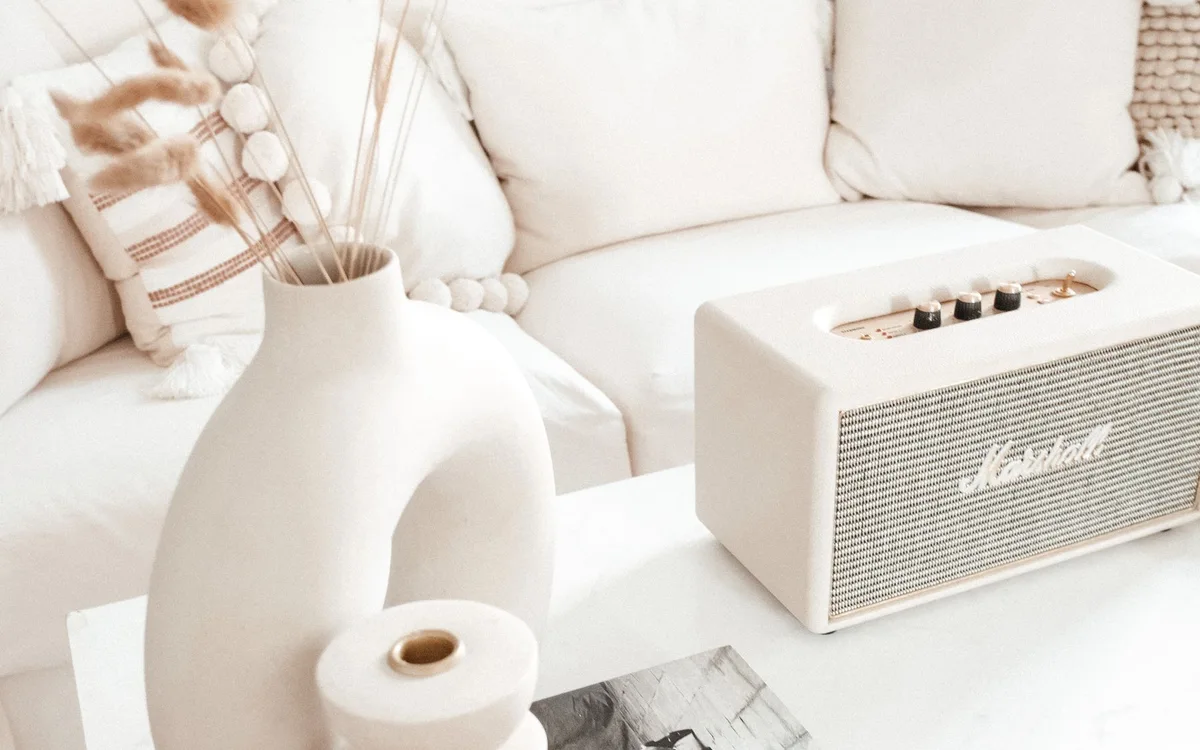
In a small apartment, the same room may hold dinner, a work call, and the evening playlist. A speaker that is easy to move can be more useful than a large system that needs a permanent home. The challenge is finding a setup that sounds appropriate where you listen without taking over the room.
Bose SoundLink Flex (2nd Gen) is the documented portable example in this guide. We use its official information to confirm connections and construction, not to claim measured bass, room coverage, or listening superiority. Most of the buying decision comes from questions you can answer about the apartment before comparing products.
Decide whether the speaker moves or stays
Imagine the three places you would put the speaker this week. If they include a desk, kitchen shelf, and balcony, a portable format makes sense. If every answer is the same chair facing the same cabinet, permanent speakers may deserve consideration. Portability is useful only when you will actually move the hardware.
A single compact speaker also differs from two separated stereo speakers. If your priority is a fixed music-listening position, consider whether physical separation is part of what you want before buying a portable model. Do not purchase two units automatically; first confirm their exact compatibility and whether the arrangement suits the room.
Try placement before chasing more output
Clear a stable location near where you listen, with enough space to keep the unit away from heat, spills, and edges. Placing a speaker closer to you may be more practical than raising it to fill the whole apartment. A stable surface also makes buttons easier to use when cooking or tidying.
Room surfaces and placement can change what you hear, so avoid making a purchase around a showroom demonstration alone. During any allowed return period, compare a few sensible positions at comfortable volume. You are evaluating your room, not running a laboratory test. Respect shared walls and quiet hours even when the speaker can play much louder.
Understand what the Bose example confirms
Bose describes SoundLink Flex (2nd Gen) as a portable Bluetooth model with USB-C charging and an IP67 rating. Those features support the idea of moving it around a home. They do not establish that the charging port accepts computer audio, that it replaces a Wi-Fi multiroom system, or that every room will suit its presentation.
Read the exact generation before ordering, particularly if you intend to pair speakers later. Similar-looking products can have different pairing rules. Our recommendation to shortlist this model is based on its portable format and published features; we have not measured low-volume clarity, bass response, or battery runtime in an apartment.
Match the source and the interruption pattern
If a phone supplies the music, think about what happens when that phone leaves the apartment or takes a call. Bluetooth is a device connection, so the source is part of the everyday routine. A shared household may prefer a different arrangement if several people want independent control without borrowing one person’s phone.
Check physical controls as well as the app. Can someone pause music without finding the source device? Is there a clear charging place? Do you want a speaker that remembers your normal device, or do guests connect frequently? These ordinary tasks often separate an easy purchase from one that needs troubleshooting every weekend.
Avoid turning one purchase into the wrong system
For late-night television, start with the TV output and a headphone solution rather than assuming a small Bluetooth speaker will fix dialogue and neighbor concerns together. For a desk used daily, consider whether permanently connected speakers would reduce friction. Choose the system type before paying more for a premium version of the wrong type.
The portable route works best when you value flexibility and modest equipment. Confirm current product details, seller returns, included charging equipment, and any pairing requirements before ordering. Start with one speaker in a real place, listen at the volume you actually use, and add hardware only to solve a clearly identified limitation.
Common questions
Does a USB-C port mean I can play laptop audio through it?
No. A connector used for charging does not establish USB audio support. Check the exact model documentation. Choose a product with an explicitly supported audio input if wired computer playback is essential.
Should I buy two portable speakers for stereo?
Only after checking the exact pairing rules and deciding where the pair will live. A matched second speaker adds charging and placement tasks. For a permanent seat, compare purpose-built stereo options as well.
Can a water-resistant speaker stay beside the stove?
Avoid heat, grease, unstable surfaces, and charging near water. A water-resistance rating does not cover every kitchen hazard. Follow the manufacturer instructions and keep a safe, dry charging location.
Sources & editorial notes
Manufacturer and support documentation checked for this guide. Features, regional availability, and prices can change. Our recommendations apply those documented features to everyday scenarios; they do not represent hands-on testing.
- Bose SoundLink Flex (2nd Gen) official product information · Checked 2026-10-19
- Bose SoundLink Flex (2nd Gen) published specifications · Checked 2026-10-19
Found an error? Tell the editorial desk with the article link and a supporting source.